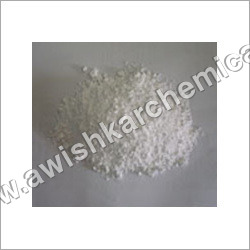
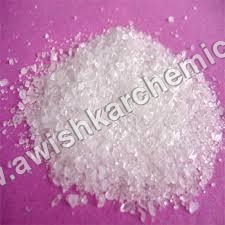
Lithium Fluoride
Lithium Fluoride

Lithium Fluoride

MOQ : 50 Kilograms

Lithium Fluoride Specification

  • Ingredients
  • Lithium, Fluorine
  • Poisonous
  • Yes, toxic if ingested
  • Molecular Formula
  • LiF
  • Molecular Weight
  • 25.94 g/mol
  • Solubility
  • Slightly soluble in water (2.6 g/L at 25 C)
  • Smell
  • Odorless
  • Grade
  • Industrial Grade
  • Purity
  • 99.0%
  • Physical Form
  • Solid
  • Melting Point
  • 848 C
  • Appearance
  • White crystalline powder
  • Usage
  • Flux in metallurgy, optical windows, phosphor production, brazing rods
  • Density
  • 2.64 Gram per cubic centimeter(g/cm3)
  • Product Type
  • Inorganic Salt
  • Shape
  • Granular/Crystalline
  • Refractive Rate
  • 1.392 at 590 nm
  • Ph Level
  • ~7 (neutral)
  • Taste
  • Saline and slightly bitter
  • Properties
  • High melting point, colorless, cubic crystals, chemically stable
  • HS Code
  • 28261990
  • Application
  • Optical materials, radiation detectors, ceramics, metallurgy
  • Shelf Life
  • Indefinite if stored properly


About Lithium Fluoride

We are engaged in offering a high quality Lithium Fluoride to our valuable clients. Used in molten salts, optics, radiation detectors and nuclear reactors, it is processed under the guidance our experienced professionals, keeping in mind the market prevalent norms. The offered Lithium Fluoride is available in moisture proof packaging options to meet the varied needs of the clients. Known for its optimum effectiveness, a long shelf life, accurate composition and purity, this chemical is highly demanded in various industries.

Features:

  • It is slightly soluble in water, while being soluble in HDF and other acids
  • This chemical is processed in compliance with set safety norms, using high quality compounds
  • The chemical is well known for longer shelf life and balanced pH level
  • It is a colorless solid, that transitions to white with decreasing crystal size
  • This powder is incompatible with aqueous solutions, strong acids and strong oxidizing agents

Products Technical Details:

LITHIUM BROMIDE (Lithium Fluoride)
PRODUCT IDENTIFICATION
CAS NO. 7550-35-8 (Anhydrous), 13453-70-8 (Hydrate)
EINECS NO. 231-439-8
FORMULA LiBr
MOL WT. 86.84
H.S. CODE 2827.59
TOXICITY Oral rat LD50: 1800 mg/kg
SYNONYMS LiBr; Lithium bromide hydrate; Lithium monobromide;Bromuro de litio (Spanish);Bromure de lithium (French);
PHYSICAL AND CHEMICAL PROPERTIES (99%)
PHYSICAL STATE White Powder
MELTING POINT 547 C
BOILING POINT 1265 C
SPECIFIC GRAVITY 3.464
SOLUBILITY IN WATER Soluble
pH Neutral
NFPA RATINGS Health: 2; Flammability: 0; Reactivity: 0
FLASH POINT none
STABILITY Stable under ordinary conditions
SALES SPECIFICATION
55.0% SOLUTION
APPEARANCE Clear solution
ASSAY 55.0% min
LiOH 0.02% max
Li2CrO4 0.002% max
Cl 0.25% max
SO4 0.03% max
Na 0.07% max
Fe 0.001% max
Cu 0.0001% max
Ba 0.0001% max
Ca 0.001% max
Mg 0.001% max
ANHYDROUS
ASSAY 99.5% min
Cl 0.15 max
Na 0.03% max
K 0.03% max
Fe 0.001% max
WATER 0.5% max
WATER INSOLUBLES 0.01% max
CO3 0.01% max
SO4 0.01% max
pH 8.5 - 9.5


Outstanding Physical and Chemical Properties

Lithium Fluoride stands out due to its high melting point, excellent chemical stability, and robust cubic crystal structure. Its low solubility in water and neutral pH allow it to endure harsh industrial environments. These properties ensure that it remains a preferred material across demanding fields such as optics, metallurgy, and ceramics.


Versatile Applications Across High-Tech Industries

LiFs unique combination of optical clarity and resilience makes it ideal for use in optical windows, radiation detectors, and phosphor production. As a flux in metallurgical processes and an ingredient in brazing rods, it delivers both functional and economic value. Its adaptability secures its position across multiple sectors.

FAQs of Lithium Fluoride:


Q: How is Lithium Fluoride used in optical materials and detectors?

A: Lithium Fluoride is prized for its high transparency to ultraviolet and visible light, making it suitable for optical windows and lenses used in lasers, spectrometers, and radiation detectors. Its cubic crystal structure and high refractive index also enhance the performance of these devices.

Q: What are the primary benefits of using Lithium Fluoride in metallurgy?

A: In metallurgy, Lithium Fluoride acts as a flux, helping to lower the melting point of metal slags, which improves metal purity and facilitates the removal of impurities. This results in more efficient manufacturing processes and higher-quality metal products.

Q: Where should Lithium Fluoride be stored to maintain its quality?

A: To ensure Lithium Fluorides indefinite shelf life, it should be stored in a dry, cool area within tightly sealed containers to prevent contamination and absorbance of moisture, which could otherwise alter its properties.

Q: When is Lithium Fluoride considered toxic, and how should it be handled?

A: Lithium Fluoride is toxic if ingested and requires careful handling. Appropriate personal protective equipment such as gloves and safety goggles must be worn, and direct skin or oral contact should be avoided. Always follow safety guidelines when working with the material.

Q: What is the process for using Lithium Fluoride in ceramic and brazing applications?

A: For ceramics, Lithium Fluoride is mixed into ceramic batches to improve translucency and thermal properties. In brazing, it is used in flux compounds to facilitate metal joining, ensuring clean and strong bonds by removing oxides during heating.

Q: How does Lithium Fluorides purity and grade affect its industrial usage?

A: With a purity of 99.0% and industrial-grade classification, Lithium Fluoride ensures consistent performance in critical applications, minimizing impurities that could compromise product efficiency or safety in high-precision industries.

Tell us about your requirement
product

Price:

Quantity
Select Unit

  • 50
  • 100
  • 200
  • 250
  • 500
  • 1000+
Additional detail
Mobile number

Email

More Products in Fluorine Chemicals Category

Magnesium Fluoride

Magnesium Fluoride

Minimum Order Quantity : 50 Kilograms

Poisonous : Other, Nonpoisonous under normal handling

Solubility : Insoluble in water, slightly soluble in acids

Molecular Weight : 62.3 g/mol

Smell : Other, Odorless

Grade : Industrial, Optical, Electronic
Ammonium Bifluoride (A.B.F)

Ammonium Bifluoride (A.B.F)

Minimum Order Quantity : 50 Kilograms

Poisonous : YES

Solubility : Very soluble in water

Molecular Weight : 57.04 g/mol

Smell : Other, Slight acidic odor

Grade : Technical / Industrial
Magnesium Silicofluoride

Magnesium Silicofluoride

Minimum Order Quantity : 50 Kilograms

Poisonous : YES

Solubility : Soluble in water

Molecular Weight : 178.38 g/mol

Smell : Other, Odorless

Grade : Industrial Grade
Potassium Silicofluoride

Potassium Silicofluoride

Minimum Order Quantity : 50 Kilograms

Poisonous : Other, Yes (toxic on ingestion or inhalation)

Solubility : Slightly soluble in water (0.41 g/100ml at 25C); insoluble in alcohol

Molecular Weight : 220.27 g/mol

Smell : Other, Odorless

Grade : Technical Grade


Back to top