About Sodium Silico Fluoride (SSF)
This chemical is widely used in chemical and pharmaceutical industry. We have been able to attain strong market goodwill as a trusted organization engaged in offering our clients Sodium Silico Fluoride (SSF). This powder is used in production of glass, ceramics, plastics and cement additives. At our sound processing unit, we process this powder using best quality compounds. Packed in moisture free materials, this powder is available in different quantity packaging options. Moreover, we offer this Sodium Silico Fluoride (SSF) at reasonable prices.
Product Features:
- Long shelf life
- Accurate composition
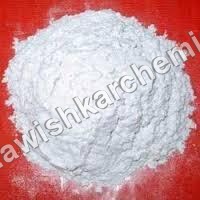
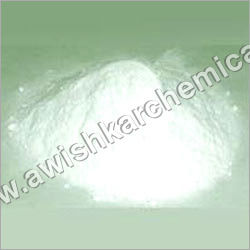
- White crystalline powder
Sodium Silicofluoride (SSF)
We offer Sodium Silicofluoride of good quality that is used in insecticides, miticides, wood preservatives, etc. It is toxic in nature. It is hazardous in nature and hence we take utmost care in its formulation process. It is also used as a repellent or feeding depressant for carpet beetles and clothes moths. Some of the other application areas of our products are
- Laundry sours
- Moth proofing
- Disinfectant in brewery industry
- Glass etching
- Light metal casting
- Electroplating
Key Properties and CompositionSSF consists primarily of sodium fluoride and silicon dioxide, forming a highly pure (>99%) white crystalline powder. It is odorless, bitter in taste, insoluble in most solvents but soluble in water, and should be handled with care due to its toxic nature. Its physical and chemical stability make it suitable for various demanding industrial applications.
Applications Across IndustriesSodium Silico Fluoride is mainly used for water fluoridation, enhancing drinking water safety in controlled doses. It also finds application in glass and ceramic manufacturing, where it helps produce durable, high-quality materials. The compound assists in metallurgy, acts as an insecticide, and is utilized in glass etching processes, demonstrating its versatile industrial utility.
Safe Handling and StorageWhen dealing with SSF, it is important to wear protective equipment to avoid accidental exposure, given its toxicity. Store the powder in a cool, dry area away from acids and moisture to maintain its integrity. Adhering to the recommended guidelines ensures safety as well as a two-year shelf life for the product.
FAQs of Sodium Silico Fluoride (SSF):
Q: How should Sodium Silico Fluoride be stored to maintain product quality?
A: Sodium Silico Fluoride must be stored in a cool, dry place, away from acids and moisture. Properly sealed containers limit exposure to humidity and atmospheric contaminants, optimally preserving the powders purity and extending its shelf life to two years.
Q: What are the main industrial uses of Sodium Silico Fluoride?
A: SSF is commonly used for water fluoridation, as well as in the glass, ceramic, and foundry industries for processes such as glass etching and ceramic glazing. Additionally, it serves as a component in insecticides and certain metallurgical applications.
Q: When should safety precautions be taken while handling SSF?
A: Safety precautions are essential at all times when handling Sodium Silico Fluoride due to its high toxicity. Protective gloves, masks, and eyewear are recommended during transport, storage, and application to prevent accidental inhalation, ingestion, or skin contact.
Q: Where is Sodium Silico Fluoride typically manufactured and supplied from?
A: Sodium Silico Fluoride for industrial-grade applications is extensively manufactured, exported, and supplied by chemical producers in India, meeting both domestic and international standards of quality and safety.
Q: What is the process for using SSF in water fluoridation?
A: In water fluoridation, SSF is dissolved in water under controlled conditions to release fluoride ions. These ions aid in dental health by reducing tooth decay when added in regulated quantities to public water supplies, as monitored by health authorities.
Q: What benefits does SSF offer in the manufacturing of glass and ceramics?
A: Sodium Silico Fluoride enhances the durability, finish, and chemical resistance of glass and ceramic products. Its addition facilitates smoother production processes and helps achieve uniform product quality, making it highly valued in these industries.





 Send Inquiry


 Send Inquiry